
Capital One Volunteerism
OVERVIEW
As an internal consultant at Capital One, I was brought in to lead the design efforts for the volunteerism team. Our goal was to promote the development of volunteer opportunities and facilitate tracking of volunteer hours across all Capital One associates. This process was previously spread across multiple tools and a mix of online and offline processes. The administrators of the program sought to streamline and standardize the process under one central tool.
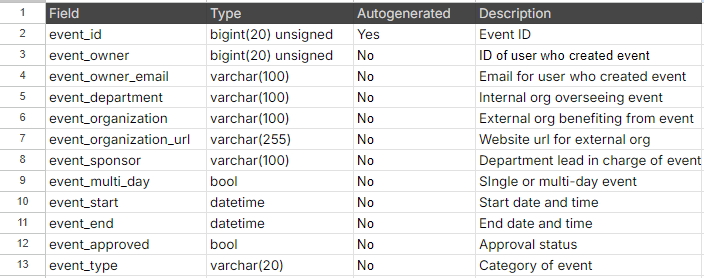
A sample of the product team requirements
THE LEGACY PROCESS
As is often the case, I was initially brought in to develop wireframes and facilitate the handoff of requirements from the business team to developers. Prior to my arrival, there was no design involvement and the process consisted of excel spreadsheets of database fields handed directly to the development team for implementation. Naturally this led to a high degree of rework, as gaps in the requirements and misunderstandings around the expectation of functionality were frequent.
HITTING THE GROUND RUNNING
As much as I wanted to take a step back and build out a deeper understanding of the process as a whole, every day that the current process remained in place, there would be more rework that would set the process further behind. Using best practices, heuristics, and leveraging available SMEs within the team, I focused on quickly iterating and refining concepts to flesh out a clickable prototype that could be used to facilitate a shared understanding between the product owner, business team and developers. Leveraging a combination of low-fidelity wireframes and the existing design pattern library, we were able to create a process that minimized time spent on unnecessarily complex mockups, while still communicating the necessary concepts to the development team. Within the first two months on the projects, we went from day-to-day design handoffs to a six week runway of development work that would give us room to start looking at the bigger picture.
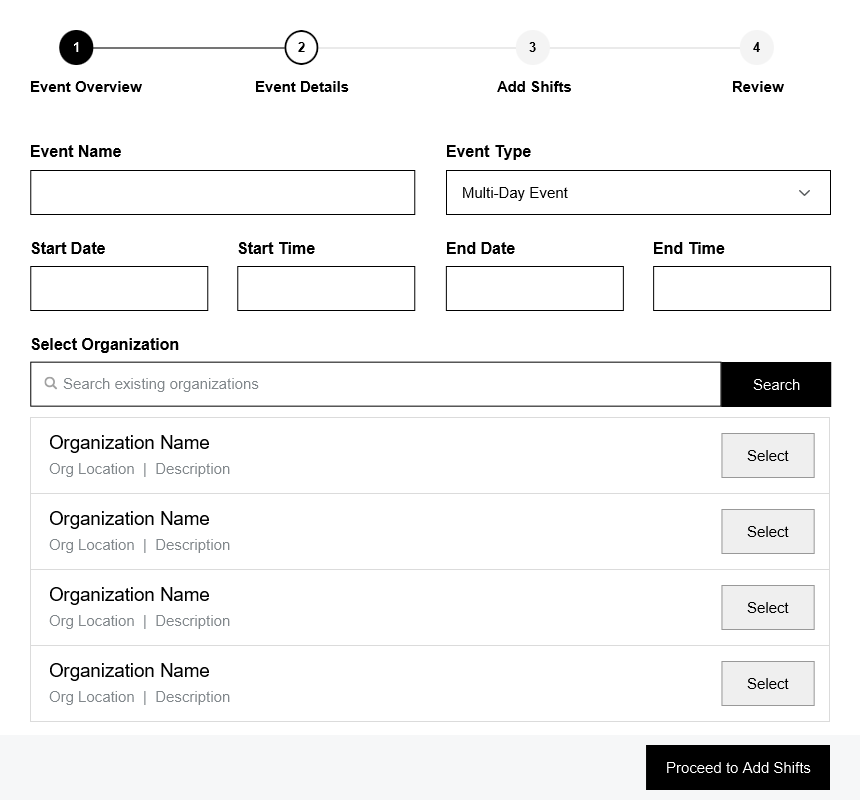
Create an event
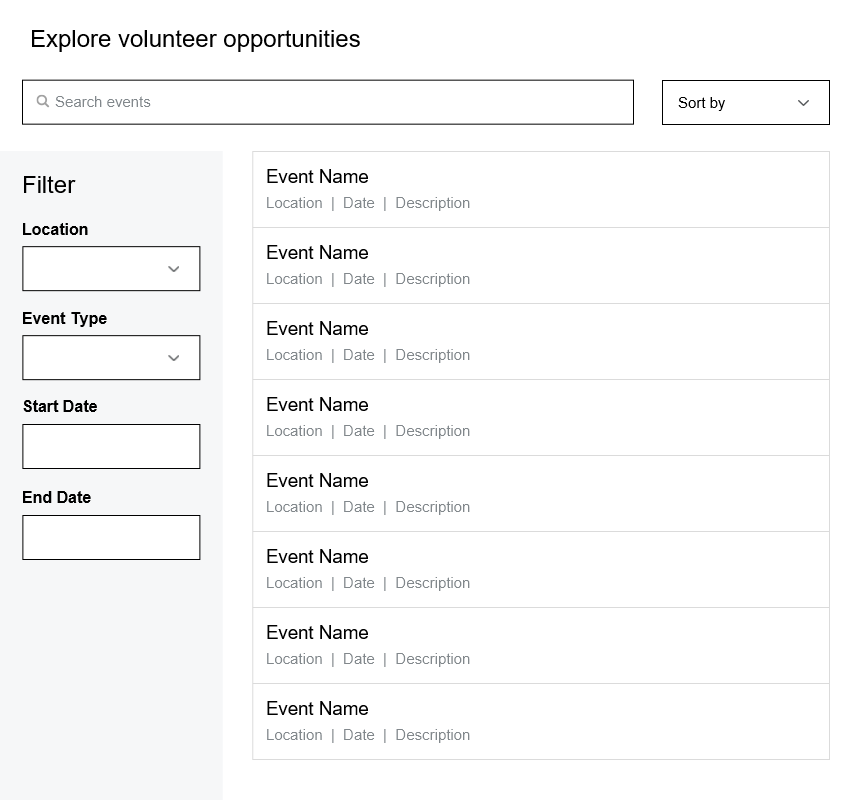
Explore volunteer opportunities
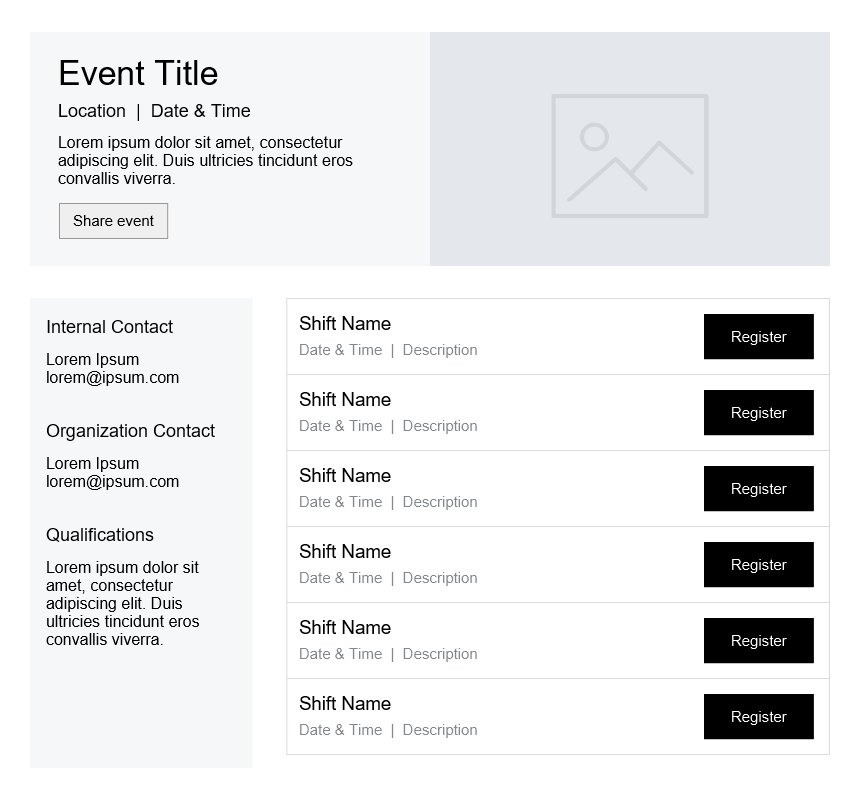
Event details page
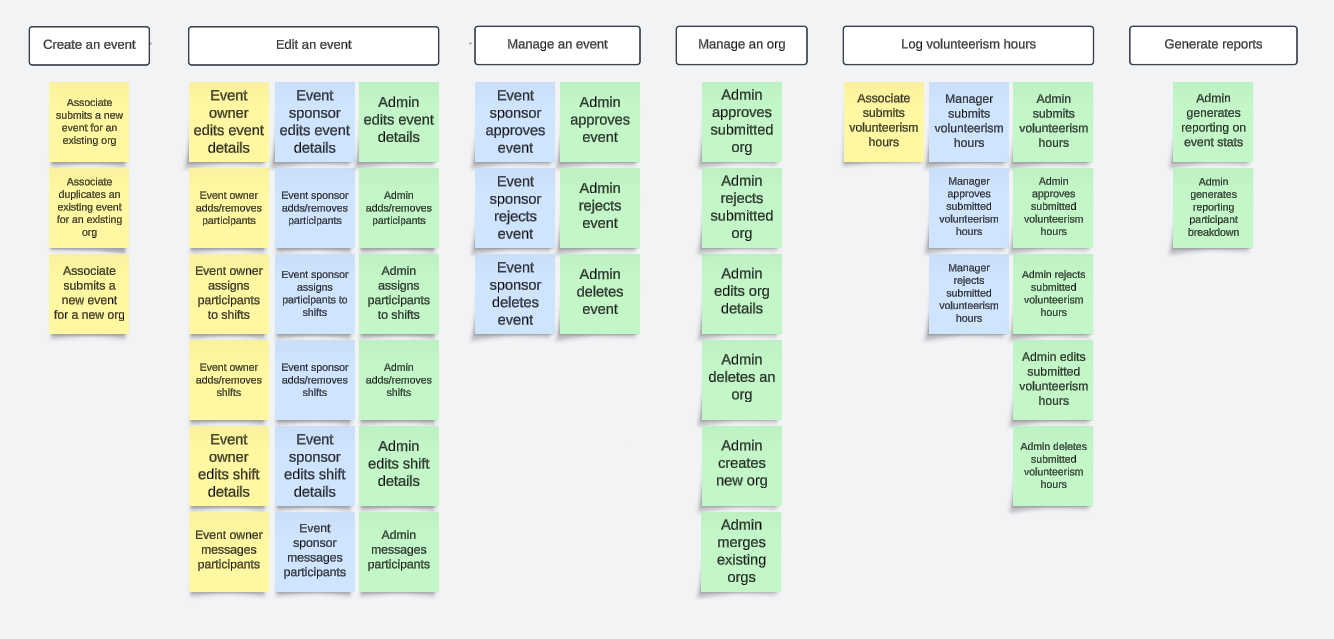
Developing a collaborative process map
Mapping the features
Once we had availability to dive into the bigger picture, I started conducting one-on-one interviews with each role that made up the volunteerism process. We worked iteratively to map initial requirements and ultimately refine those into rough concept screens, with the goal of developing an end-to-end clickable prototype of the MVP. Prior to this process, there was no consensus on the scope of the MVP and the team lacked a shared understanding of the overall complexity of the process. Working with the product owner and leadership, we mapped the process by role to understand the bigger picture of what would be necessary to realistically achieve an MVP that would be a viable replacement for the legacy process.
OUTCOME
After mapping the complete process, the team ultimately came to the conclusion that a fully custom build was no longer possible based on the required launch and implementation timeline. We decided to work with external vendors, who could provide the bulk of the prefab system, and that would free up the design and development resources to focus on the gaps in those potential solutions. I worked with the team throughout the vendor pitch process to review offerings and advocate for the user needs we had determined during the discovery phase of research. It was a very different outcome from the expectations the team had when I joined, but ultimately one that likely saved significant time and money in the long run.